为什么艺术家如此钟爱紫砂
The Unique Beauty of Zisha Pottery
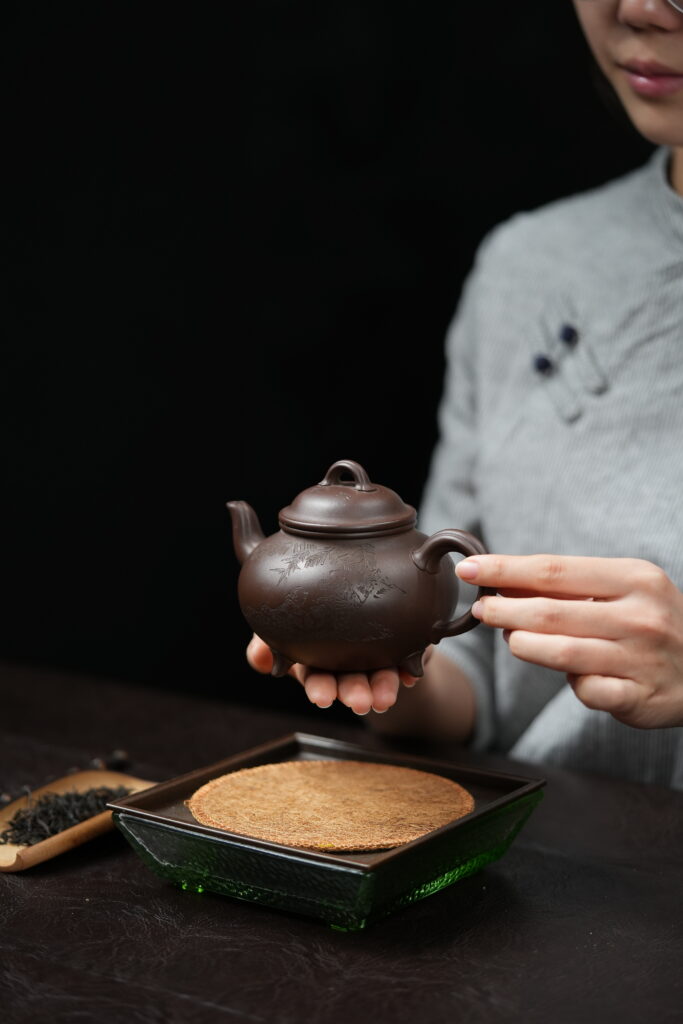
For centuries, artists and craftsmen have been fascinated by Zisha pottery. Originating from the city of Yixing, Zisha clay has become one of the most respected materials in traditional Chinese ceramics. Known for its natural texture, earthy colors, and handcrafted character, Zisha pottery represents a unique balance between art and functionality.
Unlike many modern ceramics that rely heavily on glazing and mass production, Zisha pottery celebrates the beauty of natural clay and the skill of the artisan’s hands. For artists, this combination offers a creative freedom that few other materials can provide.
A Material with Character
One reason artists love Zisha pottery is the clay itself. Zisha clay is rich in natural minerals such as quartz, iron, and mica. These minerals give the clay a distinctive texture and color range, from deep purples and warm reds to soft browns.
When fired in a kiln, Zisha clay becomes strong but remains slightly porous. This quality allows the material to “breathe,” making it especially valued for tea vessels. Over time, the surface develops a soft natural sheen as it interacts with tea and touch.
For artists, this evolving surface is part of the charm. A Zisha object does not remain static—it changes subtly through use and time.
The Art of Handmade Craftsmanship
Another reason artists appreciate Zisha pottery is the traditional handmade process. Many Zisha pieces are not made with molds but are shaped and assembled by hand using simple tools and careful technique.
This process requires patience and deep understanding of the material. Even a small teapot may involve dozens of precise steps before it is ready for firing.
Because of this handmade approach, no two pieces are exactly the same. Each work carries small variations that reflect the personality of the artist who created it.
For many artists, this individuality is what makes Zisha pottery so meaningful.
A Dialogue Between Art and Tea
Zisha pottery is closely connected with Chinese tea culture. Tea drinkers often prefer Zisha teapots and cups because the clay enhances the aroma and taste of tea over time.
This relationship between pottery and tea creates a unique artistic experience. A Zisha teapot is not just an object to admire—it becomes part of a daily ritual.
Artists often describe this interaction as a dialogue between the object and its owner. The more the object is used, the more it develops character and beauty.
Tradition Inspiring Modern Creativity
Although Zisha pottery has a long history, it continues to inspire contemporary artists around the world. Modern designers experiment with new forms, sculptures, and decorative motifs while still respecting the traditional techniques of Yixing craftsmanship.
Some artists even draw inspiration from other elements of Chinese culture, such as landscape painting, calligraphy, or ancient mural art.
Through these creative explorations, Zisha pottery remains a living tradition rather than a static historical craft.
More Than Pottery
For artists, Zisha pottery represents more than just clay and fire. It embodies the philosophy of patience, harmony with nature, and the beauty of handmade objects.
In a world dominated by industrial production, Zisha pottery reminds us that true artistry often lies in the imperfect, the natural, and the human touch.
That is why artists around the world continue to admire and explore the timeless charm of Zisha pottery.
为什么艺术家钟爱紫砂
紫砂,是中国传统陶艺中极具代表性的材料之一。产自江苏宜兴的紫砂泥,以其独特的矿物结构、温润的质感和丰富的文化背景,在中国陶艺史上占据着重要地位。
对于许多艺术家来说,紫砂不仅是一种制作茶器的材料,更是一种可以表达审美与思想的艺术媒介。
天然材质的魅力
紫砂泥最大的特点,是其天然矿物组成。泥料中含有石英、云母以及丰富的铁元素,因此烧制后的器物呈现出紫红、棕褐等自然色泽。
与许多需要施釉的陶瓷不同,紫砂器通常保持素面,不施釉。器物表面的细腻颗粒感与温润光泽,使紫砂具有一种质朴而优雅的气质。
随着时间与使用的积累,紫砂器还会逐渐形成温润的“包浆”,这种变化正是许多艺术家和收藏者所珍视的地方。
手工工艺的价值
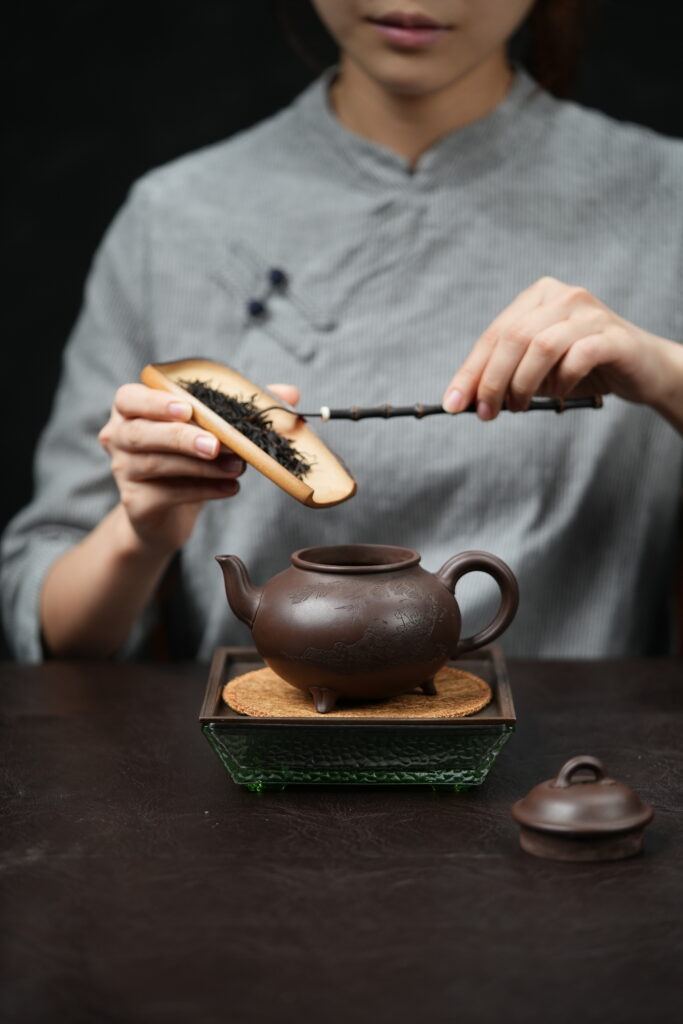
紫砂工艺强调手工制作。传统紫砂壶往往通过拍打、拼接、塑形等方式完成,而不是简单地依赖模具成型。
这一过程需要匠人对泥性、厚薄、比例等细节有深刻理解,也需要长期的经验积累。
正因为如此,每一件紫砂作品都具有独特性。器物中细微的差别,正是手工艺术最迷人的部分。
与茶文化的结合
紫砂与中国茶文化密不可分。紫砂泥具有一定的透气性,能够更好地保持茶汤香气,因此被许多茶人视为理想的茶器材质。
在长期使用中,茶香会逐渐渗入器物表面,使茶器与主人之间形成一种特殊的关系。
因此,紫砂器不仅是器物,也是生活中的陪伴。
传统与当代艺术
虽然紫砂有着数百年的历史,但它并没有停留在传统之中。许多当代艺术家不断尝试新的造型与表达方式,将紫砂与雕塑、绘画甚至现代设计结合起来。
有的作品融合山水意境,有的借鉴书法线条,还有的从敦煌壁画或东方宗教艺术中获得灵感。
在这种不断探索之中,紫砂艺术得以持续焕发生命力。
一种关于时间的艺术
在很多艺术家看来,紫砂最大的魅力在于“时间”。
泥土经过火焰烧制成为器物,而器物又在岁月与使用中逐渐变化。
这种从自然到器物、再回归生活的过程,使紫砂成为一种充满生命感的艺术。
也正因如此,紫砂不仅是一种陶艺,更是一种关于生活、文化与时间的艺术表达。